
Introduction
Stimulants are powerful substances that stimulate the central nervous system, increasing alertness, energy, and focus. While these drugs serve legitimate medical purposes, such as treating ADHD and narcolepsy, misuse often leads to dependency and stimulant addiction. Whether it involves prescription medications like Adderall and Ritalin or illicit drugs such as cocaine and methamphetamine, stimulant addiction can cause severe physical, emotional, and psychological harm.
Recognizing the signs and symptoms of stimulant addiction is critical for early intervention. Understanding outpatient treatment options, such as Partial Hospitalization Programs, and referrals to outside licensed detox providers when needed can help you plan for recovery.
This blog will explore the warning signs of stimulant addiction, its effects, and the treatment programs that offer hope for individuals struggling with stimulant misuse.
What Are Stimulants?
Stimulants are substances that boost brain activity, leading to increased energy, heightened alertness, and euphoria. These drugs impact neurotransmitters like dopamine, which control pleasure, motivation, and reward.
Types of Stimulants
- Prescription Stimulants
- Adderall (amphetamine)
- Ritalin (methylphenidate)
- Vyvanse (lisdexamfetamine)
- Concerta
- Illicit Stimulants
- Cocaine
- Methamphetamine (crystal meth)
- Ecstasy (MDMA)
- Crack Cocaine
- Over-the-Counter Options
- Caffeine pills
- Energy drinks or supplements
While stimulants can temporarily enhance performance, prolonged or recreational misuse often leads to physical dependence, tolerance, and addiction.
Short-Term vs. Long-Term Effects of Stimulant Addiction
Stimulant addiction impacts individuals differently based on the frequency, dosage, and duration of use. Understanding the short-term and long-term effects can help identify when intervention is needed.
Short-Term Effects
The immediate effects of stimulant misuse include:
- Increased Energy and Alertness: Users feel hyperactive, energized, and focused.
- Euphoria: A strong sense of pleasure and confidence occurs, especially with high doses.
- Suppressed Appetite: Stimulants often cause significant decreases in hunger.
- Increased Heart Rate and Blood Pressure: Rapid heartbeat, palpitations, and hypertension are common.
- Anxiety and Restlessness: Users may experience jitteriness or irritability.
While these effects may seem manageable at first, they can quickly escalate with continued misuse.
Long-Term Effects
Chronic stimulant addiction leads to severe physical and psychological damage, including:
- Cardiovascular Damage: Increased risk of heart attacks, arrhythmias, and stroke.
- Severe Malnutrition: Prolonged appetite suppression causes weight loss, muscle loss, and nutrient deficiencies.
- Mental Health Disorders: Chronic anxiety, depression, paranoia, and stimulant-induced psychosis.
- Cognitive Impairment: Memory loss, poor concentration, and decision-making difficulties.
- Dental and Skin Damage: Methamphetamine abuse often leads to “meth mouth” and skin sores.
- Organ Failure: Liver, kidney, and respiratory system damage occur with prolonged misuse.
Early Signs of Stimulant Addiction
Identifying the early signs of stimulant addiction can prevent severe complications. Early warning signs may include:
- Increased Dosage Over Time Misusing prescription stimulants by taking higher doses than prescribed to achieve the desired effects.
- Obsession with the Drug Constant preoccupation with obtaining, using, or recovering from the effects of stimulants.
- Neglecting Responsibilities Failure to meet work, school, or family obligations due to stimulant use.
- Changes in Sleep Patterns Extended periods of wakefulness or insomnia followed by exhaustion or “crashes.”
- Unexplained Weight Loss Suppressed appetite often results in rapid, noticeable weight loss.
- Mood Swings and Irritability Individuals may exhibit sudden mood changes, agitation, or paranoia.
- Risk-Taking Behavior Engaging in unsafe activities, such as unprotected sex, reckless driving, or illegal activities to obtain stimulants.
- Social Withdrawal Isolation from loved ones or friends to conceal drug use.
Common Risk Factors for Stimulant Addiction
Stimulant addiction can develop in anyone, but certain risk factors increase vulnerability.
- Genetic Predisposition A family history of substance abuse or addiction increases susceptibility to stimulant dependency.
- Peer Pressure and Social Environments Social circles that normalize drug misuse, such as parties or high-stress academic settings, often encourage experimentation with stimulants.
- Chronic Stress and Burnout People under immense pressure at work, school, or home may turn to stimulants for energy, focus, or coping.
- Academic or Workplace Demands Students and professionals often misuse prescription stimulants like Adderall to boost performance, stay awake, or meet deadlines.
- Co-Occurring Mental Health Disorders Conditions like ADHD, depression, or anxiety increase the risk of stimulant misuse as individuals may self-medicate.
- Early Exposure to Drugs Individuals exposed to drugs at a young age are more likely to develop addictive behaviors in adulthood.
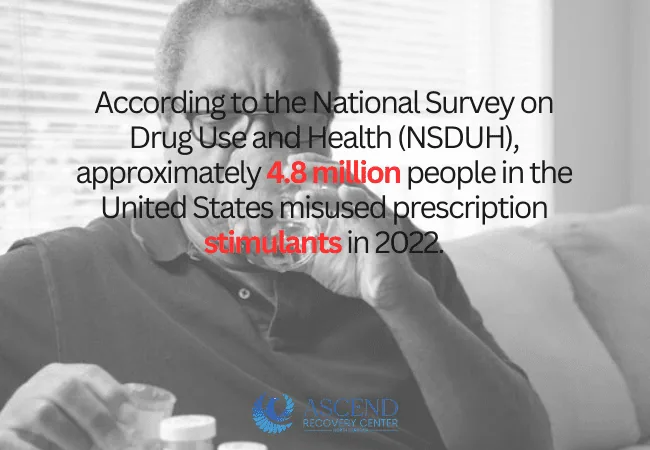
Physical Symptoms of Stimulant Addiction
Stimulant addiction can have a wide range of physical effects on the body. These symptoms may worsen over time if addiction goes untreated:
- Dilated Pupils Pupils often appear abnormally large during stimulant use.
- Increased Heart Rate Elevated heart rate, blood pressure, and risk of arrhythmias or cardiac arrest.
- Nosebleeds Snorting drugs like cocaine can damage nasal tissue, leading to chronic nosebleeds.
- Muscle Tension or Tremors Uncontrollable shaking, twitching, or muscle stiffness.
- Dental Issues Methamphetamine use can cause “meth mouth,” a condition characterized by severe dental decay and gum disease.
- Sweating and Overheating Excessive sweating or heatstroke can occur, particularly when using high doses.
- Seizures or Stroke High stimulant doses can trigger seizures, stroke, or even sudden death.
- Fatigue During “Crashes” Extreme exhaustion and lethargy occur when stimulant effects wear off.
Myths and Misconceptions About Stimulant Addiction
Misunderstanding stimulant addiction can prevent individuals from seeking the help they need. Here are some common myths and the truth behind them:
- Myth: “Prescription stimulants are safe because doctors prescribe them.” Truth: Misusing prescription stimulants (e.g., Adderall) is just as dangerous as using illicit drugs.
- Myth: “Stimulant addiction only happens to drug abusers.” Truth: Addiction can occur even in people who start using stimulants as prescribed, particularly if tolerance develops.
- Myth: “You can quit stimulants on your own without help.” Truth: Withdrawal symptoms and cravings can make quitting difficult. Ascend Charlotte helps coordinate referrals to trusted referral partners when withdrawal care is needed, with details available in our Medical Detox Information.
- Myth: “Stimulants improve performance without consequences.” Truth: While stimulants may temporarily boost focus or energy, long-term misuse harms the brain and body, leading to addiction and cognitive decline.
Psychological and Behavioral Symptoms
- Paranoia and Hallucinations Stimulant misuse can cause individuals to experience paranoia, delusions, or hallucinations. This condition, known as stimulant-induced psychosis, mimics severe mental health disorders.
- Anxiety and Panic Attacks Chronic stimulant use overstimulates the nervous system, leading to heightened anxiety and frequent panic attacks.
- Aggression or Irritability Individuals may exhibit uncharacteristic anger, hostility, or violent behavior.
- Depression and Hopelessness The “crash” that follows stimulant use often leads to severe depression, fatigue, and emotional numbness.
- Cognitive Impairment Long-term use can result in memory loss, confusion, difficulty focusing, and impaired decision-making abilities.
Stimulant Addiction and Mental Health
Stimulant addiction and mental health disorders often co-occur, creating a dangerous cycle that worsens both conditions. This is known as co-occurring disorders or dual diagnosis treatment.
Impact of Stimulants on Mental Health
Stimulant misuse can exacerbate or trigger mental health symptoms, including:
- Anxiety: Users may experience chronic worry, restlessness, and panic attacks.
- Paranoia: High doses or long-term misuse often lead to suspicious thoughts and mistrust.
- Depression: “Crashes” after stimulant use can cause extreme sadness, fatigue, and suicidal thoughts.
- Psychosis: Severe stimulant use can result in hallucinations, delusions, and psychotic episodes.
Common Co-Occurring Disorders
Individuals addicted to stimulants often struggle with:
- ADHD
- Depression
- Anxiety Disorders
- Bipolar Disorder
- Post-Traumatic Stress Disorder (PTSD)
Importance of Dual Diagnosis Treatment
Effective recovery requires treating both addiction and the underlying mental health condition. Programs like Intensive Outpatient Programs and Partial Hospitalization Programs provide integrated care, including therapy and emotional support, to address the root causes of addiction.
The Dangers of Untreated Stimulant Addiction
Without intervention, stimulant addiction can cause life-threatening consequences, such as:
- Cardiovascular Damage: Heart attacks, arrhythmias, or sudden cardiac arrest.
- Organ Failure: Kidney and liver damage due to prolonged drug use.
- Mental Health Decline: Persistent psychosis, severe depression, or suicidal ideation.
- Social and Legal Consequences: Job loss, strained relationships, and legal issues from risky behaviors.
The Importance of Early Intervention
Early intervention in stimulant addiction can prevent severe health, social, and psychological consequences. Addressing addiction in its early stages leads to:
- Reduced Physical Damage Seeking help before long-term effects like heart damage, malnutrition, or organ failure occur can significantly improve health outcomes.
- Better Mental Health Outcomes Early treatment prevents worsening conditions like anxiety, depression, and psychosis.
- Lower Risk of Relapse Early intervention strategies equip individuals with coping skills and relapse prevention techniques to build a foundation for long-term sobriety.
- Improved Quality of Life Professional treatment helps individuals rebuild relationships, improve job performance, and restore a sense of purpose.
Treatment Options for Stimulant Addiction
Overcoming stimulant addiction requires professional care tailored to the individual’s needs. Addiction Treatment Centers provide a variety of evidence-based programs:
- Help Coordinating Detox Referrals When detox is needed, Ascend Charlotte helps coordinate referrals to trusted referral partners. Withdrawal care takes place at an outside licensed facility before outpatient treatment.
- Partial Hospitalization Program (PHP) PHP offers structured, daytime treatment with therapy and recovery support. This program is ideal for individuals requiring intensive support without 24-hour hospitalization.
- Intensive Outpatient Program (IOP) IOP allows individuals to maintain their daily responsibilities while attending therapy sessions and addiction treatment.
- Outpatient Program For those who have completed higher levels of care, outpatient programs provide ongoing support, counseling, and relapse prevention strategies.
- Behavioral Therapies
- Cognitive Behavioral Therapy (CBT): Identifies and changes harmful thought patterns.
- Group Therapy: Provides community and shared support among peers.
- One-on-One Counseling: Focuses on individualized treatment goals.
- Aftercare and Relapse Prevention Long-term recovery requires ongoing support, including aftercare programs, sober living arrangements, and therapy to maintain sobriety.
Why Seek Help at an Addiction Treatment Center?
An accredited Addiction Treatment Center provides comprehensive care tailored to individuals struggling with stimulant addiction. Through structured Addiction Programs and therapy, Ascend Charlotte addresses underlying psychological issues in outpatient care and helps coordinate referrals to trusted referral partners for withdrawal care when needed.
Benefits of professional treatment include:
- Help coordinating detox referrals with trusted referral partners
- Personalized treatment plans
- Access to therapy, counseling, and aftercare support
- Tools to achieve long-term recovery
Take the First Step Toward Recovery
Stimulant addiction can be devastating, but recovery is possible with the right support. If you or a loved one is showing signs of stimulant addiction, seeking professional help is the first step toward a healthier future. Ascend Charlotte helps coordinate detox referrals with trusted referral partners when needed. Outpatient options such as Partial Hospitalization Programs and Intensive Outpatient Programs provide the care and structure needed to rebuild your life.
Reach out to a trusted Addiction Treatment Center today to begin your journey toward recovery. A life free from stimulant addiction is within reach. Call us today at (866) 606-5732 discover how Ascend can help you ascend to a brighter, substance-free future.
Frequently Asked Questions (FAQs)
What are the early warning signs of stimulant addiction?
Early signs of stimulant addiction include increased energy, rapid weight loss, insomnia, mood swings, and an obsession with obtaining or using stimulants.
What are the short-term effects of stimulant misuse?
Short-term effects include euphoria, increased focus, suppressed appetite, elevated heart rate, and anxiety.
What are the long-term consequences of stimulant addiction?
Long-term stimulant misuse can cause heart damage, severe weight loss, mental health disorders, cognitive impairment, and stimulant-induced psychosis.
What are the withdrawal symptoms of stimulant addiction?
Withdrawal symptoms include fatigue, increased appetite, depression, intense cravings, irritability, and difficulty concentrating.
How is stimulant addiction treated?
Treatment at Ascend Charlotte includes help coordinating detox referrals with trusted referral partners when needed, alongside outpatient options such as Partial Hospitalization Programs (PHP), Intensive Outpatient Programs (IOP), therapy, and aftercare support provided by professional Addiction Treatment Centers.
Can you recover from stimulant addiction on your own?
While some people attempt to quit on their own, professional support can address underlying issues. If withdrawal care is needed, Ascend Charlotte helps coordinate referrals to trusted referral partners at outside licensed facilities.
Insurance verification is available
Ascend is in network with BCBS, UnitedHealthcare/Optum, Curative and TRICARE East.