


I didn’t want to write this.
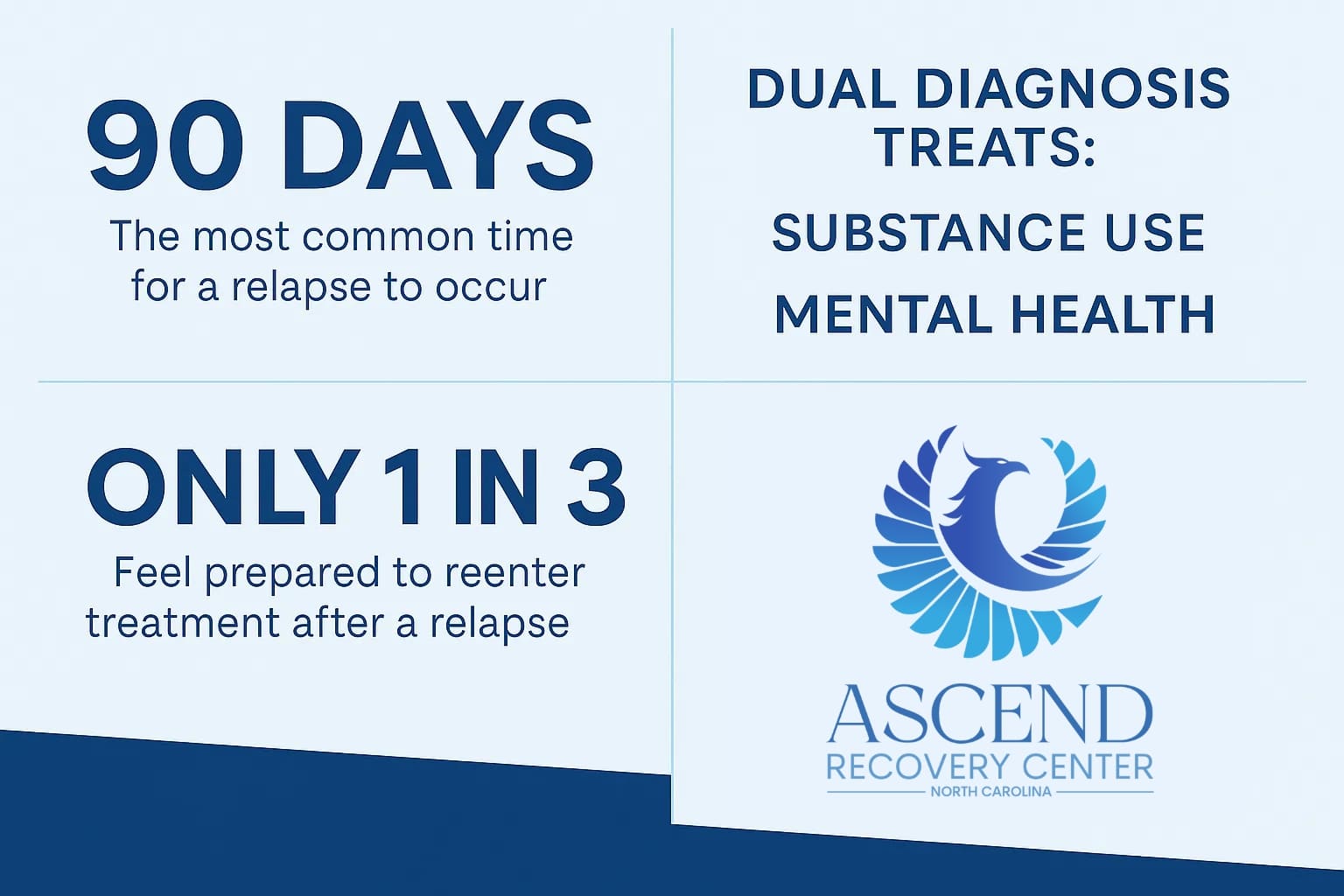
Not because I’m ashamed anymore—but because I remember how raw it felt to relapse after 90 days. I remember sitting on the bathroom floor thinking, Well, that’s it. You blew it. I remember how the pride I’d worked so hard to build collapsed in a single night.
I told myself I’d never go back. Not to the substances—but also not to treatment. Not again. I didn’t want to face the people who’d seen me doing well. I didn’t want to answer the question: “What happened?”
But I was wrong. About what relapse means. About what coming back feels like. About the idea that support was something I could lose.
And what happened next? It didn’t just save my recovery. It reminded me who I am.
The Fall Hits Harder When You’ve Already Climbed
When I first got help, everything was on fire. It wasn’t hard to accept treatment—I was out of options. I was scared, burned out, and fully broken open.
But after 90 days? I had things together. I was proud of my progress. I had my routine. I had hope again.
That’s why the relapse hurt so much more.
Because it didn’t happen in chaos—it happened in stillness. Quietly. On a random Tuesday after a hard week, a rough patch of mental health, and one bad decision that turned into a spiral.
The hardest part? It didn’t feel dramatic. It just felt familiar. Like slipping back into an old version of myself I thought I’d outgrown.
The Shame Almost Kept Me from Asking for Help
I didn’t relapse because I stopped caring. I relapsed because I stopped coping.
The anxiety was creeping back in. I was isolating again. I wasn’t sleeping. I was overwhelmed and under-supported—and I didn’t tell anyone.
Why? Because I didn’t want to disappoint anyone. Because I didn’t want to lose the image I had worked so hard to build.
But hiding didn’t help. Lying to myself didn’t help. I knew I needed more than just a reset—I needed help for both parts of my struggle: the substance use and the mental health patterns that were getting louder by the day.
That’s when I remembered Ascend—and that they offer dual diagnosis treatment in Charlotte.
Dual Diagnosis Treatment Helped Me Heal Below the Surface
The first time around, I was focused on staying sober.
This time, I needed more than that. I needed to look at why staying sober felt so exhausting. I needed help with the part of me that still believed I wasn’t enough. The depression that made me go numb. The anxiety that whispered “you’re failing” on repeat.
In dual diagnosis treatment, they didn’t just look at what I used. They looked at why I used. And more importantly, they helped me build tools that could hold both truths: that I had made progress, and that I still needed support.
We worked on things I hadn’t touched the first time:
- How my trauma responses shaped my relationships
- How unaddressed grief was driving my need to escape
- How my mental health symptoms were warning signs—not weaknesses
It wasn’t about redoing everything. It was about going deeper—and healing what I wasn’t ready to face before.
Coming Back Didn’t Feel Like Failure—It Felt Like Relief
I expected judgment when I came back to Ascend. What I got instead was eye contact, kindness, and the kind of welcome that hit straight in the chest.
No one asked, “What happened?” in a way that felt accusing.
They said, “We’re glad you’re here.”
They said, “Let’s figure it out—together.”
They said, “You’re not starting over.”
And they meant it.
In dual diagnosis treatment, my story wasn’t treated like a cautionary tale. It was treated like a continuation. A new chapter. One with more honesty, more awareness, and—surprisingly—more hope than the first time around.
I Found My People All Over Again
The group therapy sessions felt different this time. Not because they were new—but because I was different.
I stopped trying to be the one who “got it.” I let myself be the one who was struggling. I talked about the fear of relapse, the grief of having to come back, the weird guilt that comes with telling people you’re back in treatment.
And you know what I found? Me too.
That’s what people said. Over and over again.
“I’ve been there.”
“I thought I couldn’t come back either.”
“I’m proud of you for walking back in.”
If you’ve been in treatment before, you know how powerful that moment is—when someone says the thing you were afraid to admit and suddenly, the shame starts to dissolve.
Ascend didn’t just give me coping skills. It gave me a community that gets it.
Recommitting to Healing Isn’t Weak—It’s Courage in Motion
I used to think courage was staying sober no matter what.
Now I know that courage is reaching out after you fall. It’s letting go of pride to choose peace. It’s standing in your own wreckage and saying, “Okay. I’m still here. Let’s try again.”
Dual diagnosis treatment gave me that courage—not because they fixed me, but because they reminded me I wasn’t broken.
That’s what relapse tried to steal: my sense of worth.
What treatment gave me back was the reminder that I’m still worth fighting for—even on the worst days.
FAQs for Alumni After Relapse
Is it normal to relapse after a few months?
Yes. Relapse doesn’t mean failure—it means something still needs support. Many people relapse in the first year. It’s common, and it’s treatable.
What makes dual diagnosis treatment different?
It treats both substance use and mental health conditions together. That includes therapy, medication if needed, and support that’s aligned with the full picture—not just the addiction side.
Will I have to start over from scratch?
No. At Ascend, we build on what you’ve already learned. Your experience matters. You’re not a beginner—you’re a human who needed more support.
What if I left on bad terms last time?
You can still come back. Our team has helped many alumni return, even after time away or tough goodbyes. The door is open. We care about where you’re headed—not where you’ve been.
Can I come back just for mental health support?
Yes. If your relapse revealed mental health struggles that need more attention, dual diagnosis care is designed for that. You don’t have to wait for another crisis.
You’re Still You—and You’re Still Welcome Here
Relapse didn’t erase my progress. It showed me where I still needed to grow.
And the moment I walked back into treatment? That’s when I knew I hadn’t lost myself—I had just needed help finding the next version of me.
If you’ve relapsed, you don’t need to disappear. You don’t need to prove anything. You just need to know this:
You’re allowed to come back. You’re allowed to get help again. You’re allowed to be loved even in the mess.
Call (844) 628-9997 or visit our dual diagnosis treatment page to talk to someone who understands and help you decide what’s next.